
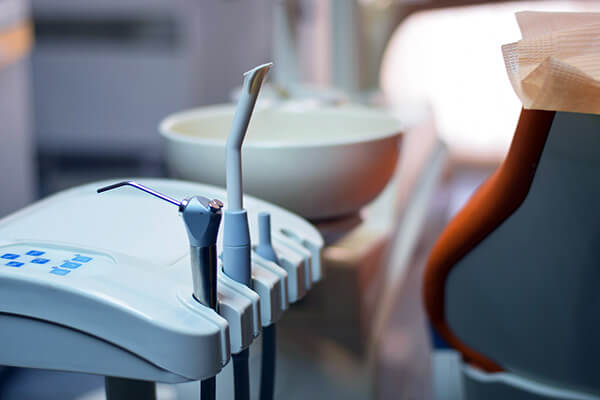
Healthy, complete teeth play an important role in both your appearance and your overall oral health. When teeth become damaged, worn, or missing, it can affect not only your smile but also your ability to eat, speak, and feel confident in everyday life.
Restorative dentistry focuses on repairing and rebuilding teeth so they look natural and function properly again. If you are looking for restorative dentistry in Philadelphia, understanding your options can help you make informed decisions about your care.
What Is Restorative Dentistry
Restorative dentistry includes a range of treatments designed to repair damaged teeth or replace missing ones. These procedures aim to restore both function and appearance, helping patients regain comfort and confidence in their smile.
Modern dentistry has evolved significantly, and today’s restorative treatments are more precise, durable, and natural-looking than ever before.
Common Dental Issues Treated
Restorative dentists can address a wide variety of dental concerns, from minor damage to more complex conditions affecting multiple teeth.
- Chipped or cracked teeth
- Worn or weakened teeth
- Missing teeth due to decay, injury, or aging
- Tooth decay and cavities
- Infected or damaged tooth roots
- Gum-related dental concerns
Types of Restorative Dentistry Treatments
There are several procedures that fall under restorative dentistry, each designed to address specific dental conditions. The right treatment depends on the extent of the damage and your overall oral health.
Your dentist will typically recommend a solution based on your needs, goals, and long-term dental health.
Most Common Restorative Procedures
These treatments are widely used to repair and restore teeth to their natural function and appearance.
- Dental fillings to repair cavities and minor decay
- Dental crowns to strengthen and protect damaged teeth
- Dental bridges to replace one or more missing teeth
- Dental implants to provide a long-term solution for missing teeth
- Root canal treatment to treat infection inside the tooth
- Periodontal treatments to address gum-related issues
How Treatments Compare
Each restorative option has its own purpose and benefits. Understanding the differences can help you better evaluate your options during a consultation.
| Treatment | Purpose | Best For |
|---|---|---|
| Fillings | Repair minor tooth decay | Small cavities |
| Crowns | Protect and restore damaged teeth | Cracked or weakened teeth |
| Bridges | Replace missing teeth | One or several missing teeth |
| Implants | Permanent tooth replacement | Long-term tooth loss solutions |
| Root canal | Remove infection inside tooth | Infected or painful teeth |
Why Restorative Dentistry Matters
Ignoring dental problems can lead to more serious issues over time. What starts as a small cavity or minor crack can develop into pain, infection, or tooth loss if left untreated.
Restorative dentistry not only improves appearance but also helps maintain proper bite function, prevent further damage, and support long-term oral health.
“Restorative dentistry is not just about fixing teeth. It is about restoring comfort, function, and confidence in everyday life.”
Benefits of Restorative Treatment
Addressing dental issues early can provide both short-term relief and long-term advantages for your oral health.
- Improves the appearance of your smile
- Restores proper chewing and speaking ability
- Prevents further dental complications
- Helps maintain jaw structure and alignment
- Supports overall oral and general health
How to Choose a Restorative Dentist in Philadelphia
Finding the right restorative dentist in Philadelphia is an important step toward achieving the best possible results. Experience, communication, and a clear treatment plan all play a role in your overall experience.
Taking time to research your options and ask the right questions can help you feel more confident in your choice.
What to Look For
A good restorative dentist should be able to explain procedures clearly, offer realistic expectations, and provide solutions tailored to your needs.
- Experience with a variety of restorative procedures
- Clear explanations of treatment options
- Use of modern dental technology
- Willingness to answer all your questions
- Positive patient feedback and results
Understanding Your Treatment Plan
Before undergoing any restorative procedure, it is important to understand what will be done and why. Being informed helps you feel more comfortable and prepared for the process.
Do not hesitate to ask questions about the procedure, recovery time, costs, and expected results. A good dentist will take the time to make sure you fully understand your options.
Questions to Ask Your Dentist
These questions can help you gain clarity before starting treatment.
- What procedure is recommended and why
- What results can I realistically expect
- Are there alternative treatment options
- What are the risks or possible complications
- How long will recovery take
- What will the total cost be
Preventing Future Dental Problems
While restorative dentistry can fix existing issues, maintaining good oral hygiene is essential to prevent future problems. Simple daily habits can go a long way in keeping your teeth healthy.
Consistency in your routine and regular dental visits can help you avoid more complex treatments down the road.
Daily Habits for Better Oral Health
Taking care of your teeth does not require complicated steps, but it does require consistency.
- Brush your teeth at least twice a day
- Floss daily to remove plaque between teeth
- Use mouthwash to support oral hygiene
- Maintain a balanced and healthy diet
- Visit your dentist regularly for checkups
Frequently Asked Questions
What is restorative dentistry?
Restorative dentistry focuses on repairing damaged teeth and replacing missing ones to restore function, comfort, and appearance.
Is restorative dentistry only for severe problems?
No, it can address both minor issues like cavities and more complex conditions such as missing or severely damaged teeth.
Are restorative procedures permanent?
Some treatments, like dental implants, are long-lasting solutions, while others may require maintenance or replacement over time.
How do I know which treatment I need?
Your dentist will evaluate your oral health and recommend the most suitable treatment based on your specific condition.
Is restorative dentistry painful?
Most modern procedures are designed to be as comfortable as possible, with techniques and technology that help minimize discomfort.
Restorative Dentistry in Philadelphia
If you are dealing with damaged, missing, or weakened teeth, restorative dentistry can help you regain both function and confidence. With modern techniques and personalized care, many dental issues can be effectively treated.
Finding the right provider in Philadelphia can help ensure you receive care that is both effective and tailored to your needs.

