
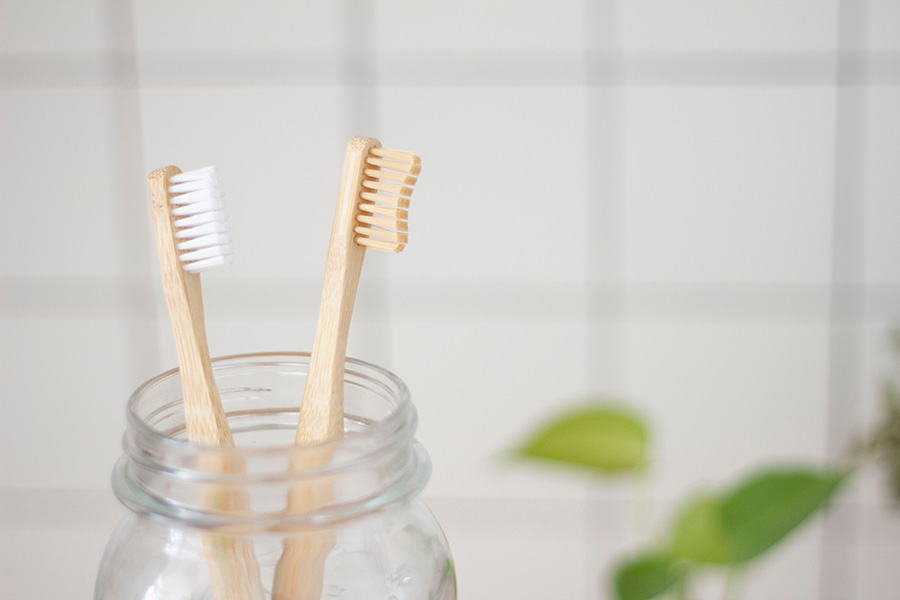
Good oral health starts at home. While regular dental visits are important, the daily habits you practice on your own play a major role in keeping your teeth and gums healthy for the long term.
If you are looking to improve your personal dental care in Philadelphia, it helps to understand that prevention comes first. Brushing, flossing, healthy habits, and routine checkups all work together to protect your smile and reduce the need for more complex treatment later on.
Why Personal Dental Care Matters
Many people assume that keeping teeth healthy is mainly the dentist’s job, but that is only part of the picture. Dentists help diagnose, treat, and prevent problems, but your daily routine at home is the foundation of strong oral health.
Simple habits such as brushing and flossing can go a long way in reducing plaque buildup, lowering the risk of cavities, and supporting healthier gums. When these habits are consistent, they can help prevent issues before they become more serious.
Your Daily Habits Make the Difference
Small actions repeated every day often have the biggest long-term impact. Skipping basic care may not seem serious at first, but over time it can lead to decay, gum problems, bad breath, and avoidable dental expenses.
That is why personal dental care should be seen as the first step, while the dentist provides added support, monitoring, and treatment when needed.
What Good Personal Dental Care Includes
Taking care of your mouth does not have to be complicated, but it should be consistent. A healthy routine helps protect both your teeth and your gums while supporting fresher breath and a cleaner smile.
These habits are especially important for preventing common dental issues that can become more difficult and costly to treat later on.
Key Habits for Better Oral Health
A strong personal dental care routine usually includes the following basics:
- Brush your teeth at least twice a day
- Floss daily to remove debris between teeth
- Use mouthwash when appropriate as part of your routine
- Limit excess sugar and acidic foods when possible
- Drink water regularly throughout the day
- Visit the dentist for regular checkups and cleanings
Prevention Can Save Time and Money
Depending only on the dentist to maintain your oral health can lead to more frequent treatment needs. Preventive care at home often reduces the chance of developing larger problems that require fillings, crowns, gum treatment, or other procedures.
As the saying goes, prevention is better than cure, and that idea applies strongly to dental care. A few minutes each day can help protect your smile and reduce future stress.
| Daily Habit | Why It Helps | Long-Term Benefit |
|---|---|---|
| Brushing | Removes plaque and food particles | Helps prevent cavities and surface stains |
| Flossing | Cleans between teeth where brushing misses | Supports healthier gums and reduces decay risk |
| Mouthwash | Can help reduce bacteria and freshen breath | Supports overall oral hygiene |
| Healthy diet | Reduces excess sugar and supports oral health | Helps protect teeth and gums over time |
| Regular checkups | Allows early detection of problems | Can prevent more complex treatment later |
A Healthy Smile Starts With the Basics
Many people want a brighter, more attractive smile, but cosmetic results are usually built on a healthy foundation. Even if someone is interested in whitening, veneers, or other smile improvements, the condition of the natural teeth and gums still matters first.
Healthy teeth are easier to maintain, easier to improve, and more likely to support lasting results. That is why personal dental care remains essential, no matter what your smile goals may be.
Building Toward a More Confident Smile
A well-cared-for smile can improve confidence in both personal and professional settings. Clean, healthy teeth often look better naturally, even before any cosmetic treatment is considered.
For some people, regular brushing, flossing, and dental visits may be enough to noticeably improve the look of their smile over time. For others, these habits create the healthy base needed before exploring additional treatment options.
“The best dental care often starts long before you sit in the dentist’s chair. Daily habits at home are the foundation of a healthier, stronger smile.”
When Appearance Concerns Go Beyond Daily Care
Personal dental care is essential, but it does not solve every concern. Some people may still have crooked, damaged, stained, or uneven teeth even when they take good care of them.
In those cases, a dentist may recommend treatments that improve alignment, restore damaged teeth, or enhance the overall appearance of the smile. Even then, home care remains a critical part of maintaining the results.
Healthy Teeth First, Cosmetic Options Second
Before many cosmetic procedures can be considered, the underlying teeth and gums should be in good condition. Dentists often need to address decay, damage, or gum concerns before moving forward with elective smile improvements.
This is one more reason why personal dental care matters so much. A stronger, healthier mouth provides a better foundation for any future dental work.
How Braces and Alignment Fit Into Dental Care
Properly aligned teeth are not only about appearance. Straight teeth can also be easier to clean and maintain, which may reduce plaque buildup and make daily hygiene more effective.
Braces and other orthodontic treatments can help correct crooked teeth and improve bite alignment. While many people associate braces with children and teenagers, adults may also benefit from orthodontic care depending on their needs.
Why Alignment Can Support Oral Health
When teeth are crowded or overlapping, brushing and flossing can become more difficult. This can create areas where plaque and food particles remain trapped more easily.
Improving alignment may support better home care, though patients with braces or retainers usually need to be especially consistent with hygiene during treatment.
- Crooked teeth can be harder to clean thoroughly
- Braces may help improve smile alignment over time
- Retainers are often used after braces to support the result
- Good brushing and flossing remain important throughout orthodontic care
Why Regular Dental Visits Still Matter
Even with excellent habits at home, routine dental visits are still important. A dentist can identify issues you may not notice on your own and provide professional cleanings that support your daily efforts.
Seeing a dentist regularly also helps catch problems earlier, when they may be simpler and less costly to treat. Personal care and professional care work best when they support each other.
What the Dentist Helps With
Your dentist is there to check for cavities, gum disease, signs of wear, bite issues, and other concerns that may develop even with a strong home routine.
Professional visits also give you a chance to ask questions and improve your dental habits with guidance tailored to your needs.
Personal Dental Care in Philadelphia
If you want to protect your smile, reduce avoidable dental problems, and feel more confident in your oral health, good personal dental care is one of the best places to begin. Daily brushing, flossing, and smart habits can make a meaningful difference over time.
For those seeking personal dental care support in Philadelphia, regular visits with a local dentist can complement your at-home routine and help you maintain healthier teeth and gums for the long term.
Simple Goals to Focus On
You do not need a perfect routine overnight. Starting with consistent basics and improving over time can still lead to strong results.
- Keep brushing and flossing consistent
- Do not ignore early signs of dental discomfort
- Schedule checkups even when nothing feels wrong
- Ask questions if you are unsure about your routine
Frequently Asked Questions
Is personal dental care really that important?
Yes, daily oral hygiene is one of the most important parts of maintaining healthy teeth and gums. Home care helps prevent many common dental problems before they start.
Can brushing and flossing replace dental visits?
No, they work together. Brushing and flossing are essential, but regular dental visits are still needed for exams, professional cleanings, and early detection of issues.
How often should I brush and floss?
Most people benefit from brushing at least twice a day and flossing once a day. Your dentist may recommend adjustments based on your specific needs.
Do healthy teeth matter before cosmetic dental work?
Yes, many cosmetic treatments require a healthy foundation. Dentists often address decay, gum issues, or damage before beginning elective smile improvements.
Can adults benefit from braces or alignment treatment?
Yes, adults can benefit from orthodontic treatment in many cases. Straighter teeth may improve both appearance and the ease of daily cleaning.

